

A faith–based organization (FBO) is an organization that has a faith or religious component as its foundation and motivation for its work
 A faith–based organization (FBO) is an organization that has a faith or religious component as its foundation and motivation for its work. Faith–based organizations play an important role in global health given their holistic approach to serving the whole person and community, especially among vulnerable groups.
The purpose of this assignment is to assess a faith–based organization and understand how it is unique.
Identify an example of a faith–based global health organization or ministry. The organization should be at least 5 years old, work in multiple countries, and have an explicit faith–based foundation. Research the institution by reviewing annual reports, websites, papers, program documents, or conducting in-person or phone interviews.
Write a 1,000-1,250-word case study on the selected organization in which you assess the following aspects of the organization:
Mission
Assess how the mission of the organization aligns with its strategies and work:
- How does the mission of the organization match its strategies and activities in serving vulnerable or low-income populations? Include qualitative or quantitative evidence (e.g., health outcomes, poverty indicators, environmental initiatives) to evaluate how effectively the organization‘s mission is being achieved.
- Explain how faith–based organizations integrate their faith into public health initiatives and partnerships through evangelization or ministry.
Populations
Assess the populations served by the organization or ministry:
- Evaluate the organization‘s method of identifying populations to serve by how equitable, data-informed, and needs-based the organization is in its approach to population targeting.
- Assess whether this approach contributes to reducing health disparities or poverty.
Funding Mechanism
Review a funding report for the organization. Assess the funding mechanism of the organization:
- What are the primary sources of support for the organization?
- Evaluate the organization’s effectiveness in providing aid and support to the populations it serves in international environments (e.g., sustainability, transparency, community ownership, or alignment with national/local health priorities). Include any available performance metrics or program outcomes that reflect impact.
Partnerships
Assess the partnerships of the organization within public health to develop innovative and appropriate public health models:
- List the organizations that the selected faith–based organization partners with and identify if any of the partners are governmental public health agencies.
- Analyze how the faith–based organization‘s partnerships contribute to innovative public health models. Evaluate how effective these partnerships are in promoting the organization‘s mission. Provide evidence of health, environmental, or economic outcomes where possible.
- How could the organization leverage its partnerships to better support health equity, sustainability, and poverty alleviation in international environments?
General Requirements
Prepare this assignment according to the guidelines found in the APA Style Guide, located in the Student Success Center.
This assignment uses a rubric. Please review the rubric prior to beginning the assignment to become familiar with the expectations for successful completion.
You are required to submit this assignment to LopesWrite. A link to the LopesWrite technical support articles is located in Class Resources if you need assistance.

Benchmark Information
This benchmark assignment assesses the following programmatic competencies:
MPH
1.3: Analyze the interrelationships between evangelization and ministry efforts and local public health initiatives within faith–based organizations in global settings.
1.5: Evaluate the effectiveness of aid, innovative public health models, and private-public partnerships in promoting health and environmental stewardship and reducing poverty in international environments.
MSN Public Health Nursing
6.5: Evaluate the effectiveness of aid, innovative public health models, and private-public partnerships in promoting health and environmental stewardship and reducing poverty in international environments.
Step 1: Select the Right Faith-Based Organization (FBO)
Choose an organization that:
-
Has an explicit Christian or faith foundation.
-
Has operated for 5+ years.
-
Works in multiple countries.
-
Publishes annual reports and impact data.
Strong Examples
1. World Vision International
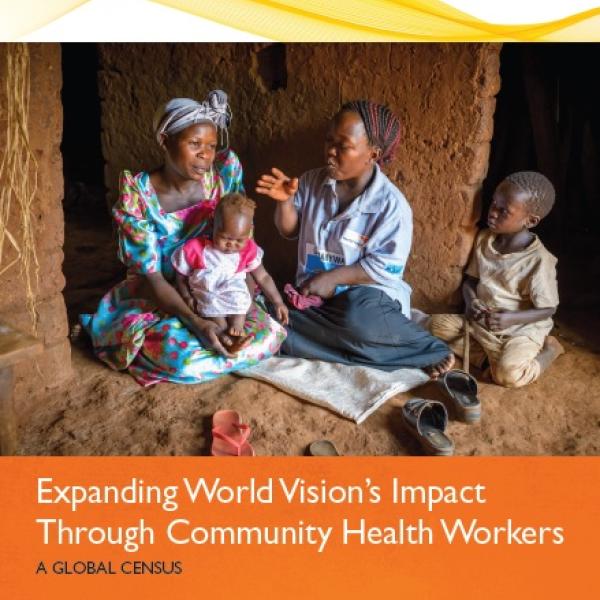
- Christian humanitarian organization
- Operates in 90+ countries
- Focuses on child health, nutrition, WASH, poverty alleviation
2. Catholic Relief Services
- Catholic global relief agency
- Works in 100+ countries
- Focuses on health systems strengthening, food security
3. Samaritan’s Purse
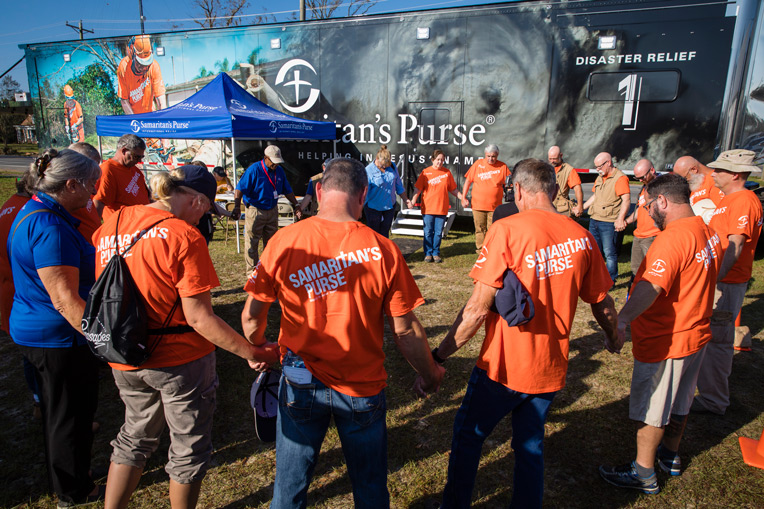
- Evangelical Christian organization
- Emergency medical and disaster response
- Strong evangelization component
 Pick ONE and stick with it throughout the paper.
Suggested Paper Structure (Follow the Rubric Closely)
1. Introduction (1–2 Paragraphs)
-
Define a faith-based organization (FBO).
-
Explain their role in global public health.
-
Introduce your selected organization.
-
State what you will evaluate (mission, populations, funding, partnerships).
2. Mission Alignment
What to Do
-
Copy the mission statement (paraphrase it).
-
Identify 2–3 core goals.
-
Compare those goals to actual programs.
Analyze:
-
Do activities match the mission?
-
Are outcomes measurable?
-
Is faith integrated into service delivery?
Look for Evidence:
-
Maternal mortality reduction
-
Clean water access rates
-
Malnutrition rates
-
Poverty reduction indicators
-
Vaccination coverage
Short Example
World Vision’s mission emphasizes serving vulnerable children as an expression of Christian faith. Its WASH and nutrition programs directly target child survival, demonstrating strong alignment between mission and strategy.
Faith Integration
Discuss:
-
Prayer or ministry components
-
Faith-based counseling
-
Church partnerships
-
Evangelization during aid delivery
Link to competency 1.3 (Evangelization + Public Health).
3. Populations Served
Evaluate:
-
How do they identify communities?
-
Use of epidemiological data?
-
Poverty mapping?
-
National health statistics?
-
-
Are they targeting:
-
Rural populations?
-
Conflict zones?
-
Women and children?
-
Analyze Equity
-
Do programs reduce disparities?
-
Are vulnerable groups prioritized?
-
Are interventions culturally sensitive?
Short Example
CRS prioritizes food-insecure regions using national poverty indices and malnutrition surveillance data. This data-informed targeting supports equitable resource allocation.
4. Funding Mechanism
Review Annual Reports
Look for:
-
Individual donors
-
Church donations
-
Government grants (USAID, WHO, etc.)
-
Private foundations
Evaluate:
-
Transparency
-
Sustainability
-
Community ownership
-
Cost-effectiveness
Include Metrics Like:
-
% of funds spent on programs
-
Overhead ratio
-
Number of beneficiaries served
-
Health outcomes achieved
Example
Samaritan’s Purse reports that 85% of donations support field programs, reflecting strong financial stewardship and alignment with mission-driven aid delivery.
Connect this to competency 1.5 and 6.5 (aid effectiveness).
5. Partnerships

Identify Partners
-
Ministries of Health
-
WHO
-
USAID
-
UNICEF
-
Local NGOs
-
Church networks
Evaluate:
-
Are governmental agencies involved?
-
Do partnerships improve sustainability?
-
Do they strengthen local health systems?
Analyze Innovation
-
Mobile clinics?
-
Faith-health hybrid models?
-
Community health worker programs?
Example
World Vision partners with national Ministries of Health to implement immunization campaigns, combining community trust through churches with public health infrastructure.
6. Recommendations Section
Strong benchmark papers include:
-
How partnerships could improve equity.
-
How funding could enhance sustainability.
-
How faith integration could avoid ethical concerns.
-
How programs could expand environmental stewardship.
Be critical but balanced.
Writing Tips for Nursing Students
-
Use headings exactly as listed in the assignment.
-
Support every claim with a citation.
-
Use sources less than 5 years old when possible.
-
Cite annual reports properly (APA).
-
Follow word count: 1,000–1,250 words.
-
Review rubric BEFORE writing.
Sample Thesis Statement
This case study evaluates World Vision International’s mission alignment, funding mechanisms, population targeting strategies, and public health partnerships to assess its effectiveness in integrating evangelization with sustainable global health interventions.
Where Students Lose Marks
-
Describing instead of analyzing.
-
No outcome data included.
-
No discussion of evangelization.
-
Weak partnership evaluation.
-
Poor APA formatting.
-
Not connecting to competencies.
Quick Checklist Before Submission
 Mission alignment analyzed Evidence of impact included Population targeting evaluated Funding assessed with metrics Partnerships analyzed critically Recommendations provided APA formatted Submitted to LopesWrite
Busy Working Nursing Student?
Balancing clinical hours, family, and benchmarks is exhausting.
If you’re overwhelmed with:
-
Researching global organizations
-
Interpreting funding reports
-
Connecting evangelization to public health
-
Writing in APA format
We can help you structure, research, and polish your benchmark paper professionally and ethically.
Get expert nursing academic support tailored for working nurses.
Focus on patients. Let us help with the paper.